You’ll get the best results by installing your inground pool during fall or early winter, when contractors offer 15-30% discounts and have lighter schedules for faster completion. This timing lets you avoid spring’s massive waitlists and unpredictable weather delays, plus you’ll dodge summer’s premium pricing that can increase costs by 15-25%. Starting in October through February gives you ample time to secure permits and finish construction before swimming season begins, while the strategies below reveal exactly how to maximize your savings.
Key Takeaways
- Fall and early winter are ideal for installation due to contractor availability, faster completion, and easier excavation conditions.
- Spring installations face high demand, leading to contractor waitlists, unpredictable weather-related delays, and premium pricing with mid-summer completion dates.
- Summer installations incur 15-25% cost increases due to labor shortages, premium pricing, and potential rush fees from high demand.
- Off-season discounts of 15-30% are available from November to February, with moderate savings in October and March.
- Permit approval takes two weeks to four months; early winter submission expedites approvals before the spring rush.
Fall and Early Winter: The Best Time to Install an In-Ground Pool
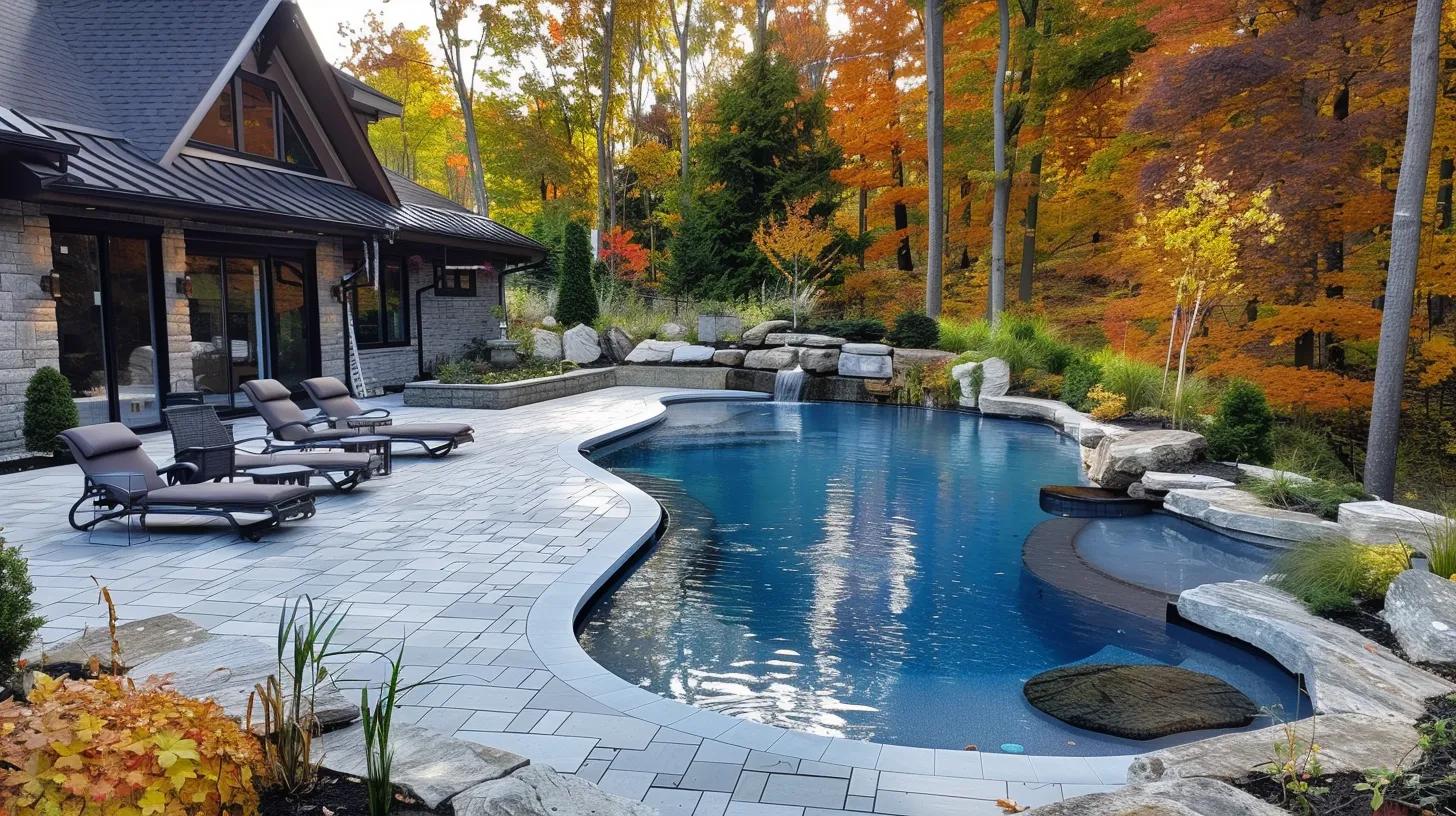
While most homeowners dream of diving into their new pool come summer, fall, and early winter actually present the ideal window for in-ground pool installation.
You’ll benefit from contractors’ lighter schedules, which means faster project completion and potentially lower costs. The cooler temperatures make excavation easier on your landscape, and the ground conditions are typically more favorable for construction work.
By starting your project during these months, you’ll beat the spring rush and guarantee your pool’s ready when warm weather arrives.
Additionally, you’ll have ample time to address any unexpected delays without sacrificing your swimming season.
Why Spring Pool Installation Means Racing Against Weather and Waitlists
Though spring might seem like the logical time to install a pool, it’s actually when you’ll face the biggest challenges. You’re competing with everyone who wants their pool ready for summer, creating massive waitlists for contractors.
Unpredictable spring weather delays excavation and construction, pushing your completion date further back. Rain turns job sites into muddy messes, halting work for days or weeks. You’ll likely pay premium prices due to peak-season demand.
Even if construction starts promptly, you’re racing against time to finish before summer. Most spring installations don’t reach completion until mid-to-late summer, missing prime swimming season entirely.
The Hidden Costs of Installing Your Pool During Summer Peak Season
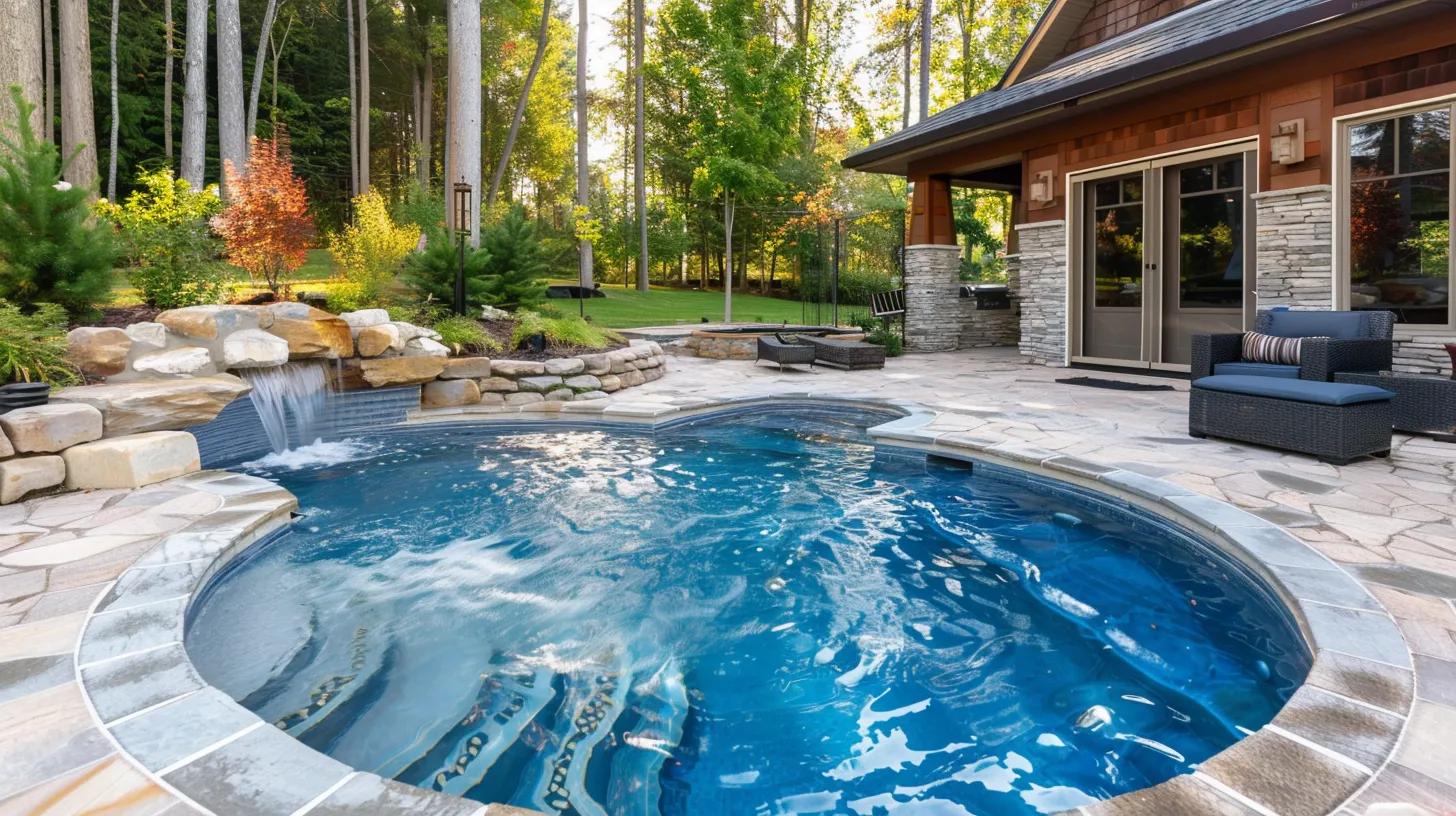
Summer installations compound spring’s problems with even steeper financial penalties.
You’ll face premium pricing as contractors capitalize on desperate homeowners who want pools immediately. Labor shortages intensify during peak season, driving costs up 15-25% above off-season rates.
Equipment and materials become scarce, forcing you to accept whatever’s available rather than choosing ideal components. Your project competes with countless others, meaning delays stretch into fall when you can’t even use your pool.
Rush fees, overtime charges, and expedited shipping costs accumulate quickly. You’re paying the maximum price for the minimum swimming time, the worst possible return on investment.
When Contractors Slash Prices: Off-Season Discounts by Month
Because contractors face dramatic slowdowns from late fall through early spring, they’ll cut prices aggressively to keep their crews employed.
You’ll find the deepest discounts between November and February, when some contractors slash rates by 15-30%.
October and March offer moderate savings of 10-15% as shoulder months.
April through September brings minimal discounts since demand peaks.
However, specific savings vary by region, southern states see smaller winter reductions since year-round installation remains feasible.
Request quotes from multiple contractors during these slow periods, and you’ll leverage their need for work into substantial savings on your inground pool project.
How Permit Approval Times Impact Your Pool Installation Start Date
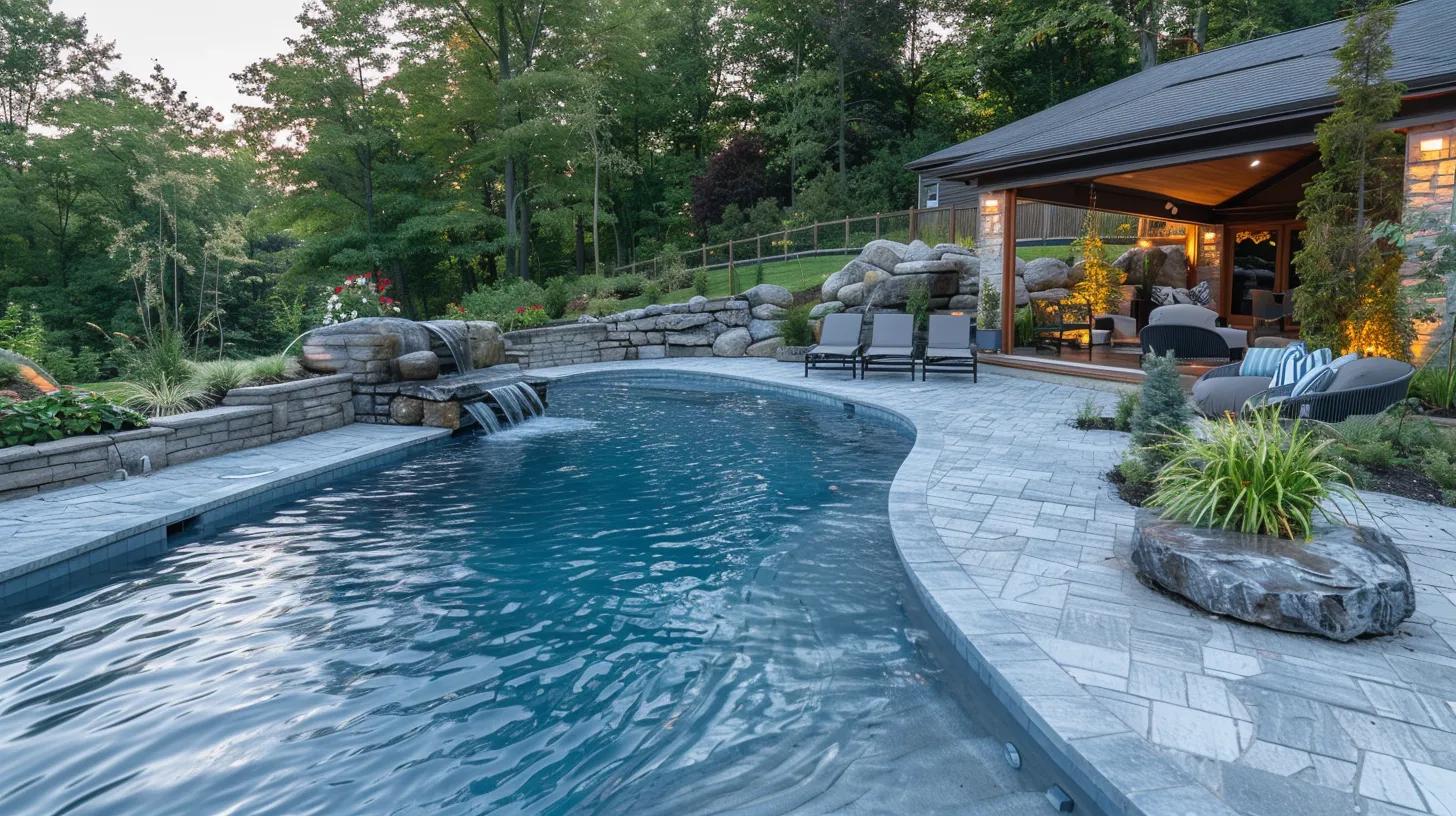
Before you schedule your pool installation, you’ll need to factor in permit approval times that can stretch from two weeks to four months,ths depending on your municipality.
Urban areas typically process permits faster than rural counties with limited staff. You can’t break ground until you’ve received approval, so submit applications during the winter months when permitting offices face lighter workloads.
Contact your local building department early to understand specific requirements, some jurisdictions need soil tests, surveys, or HOA approvals that add weeks to the timeline.
Planning prevents missing your ideal construction window.
Frozen Ground and Winter Installation: What’s Actually Possible in Your Climate
When temperatures drop below freezing, your pool excavation faces significant obstacles that go beyond simple inconvenience. Frozen ground becomes nearly impossible to dig through, requiring specialized equipment that dramatically increases costs.
In climates where frost penetrates several feet deep, you’ll need to wait until the spring thaw. However, mild winter regions with minimal freezing allow year-round installation.
Your contractor must also consider concrete curing requirements, temperatures below 40°F prevent proper setting. Additionally, winter conditions complicate equipment access and worker safety.
Before scheduling a winter installation, consult local contractors about the feasibility and potential cost premiums for your specific climate.
Installing Your Pool Before Landscaping: Sequencing That Saves Thousands
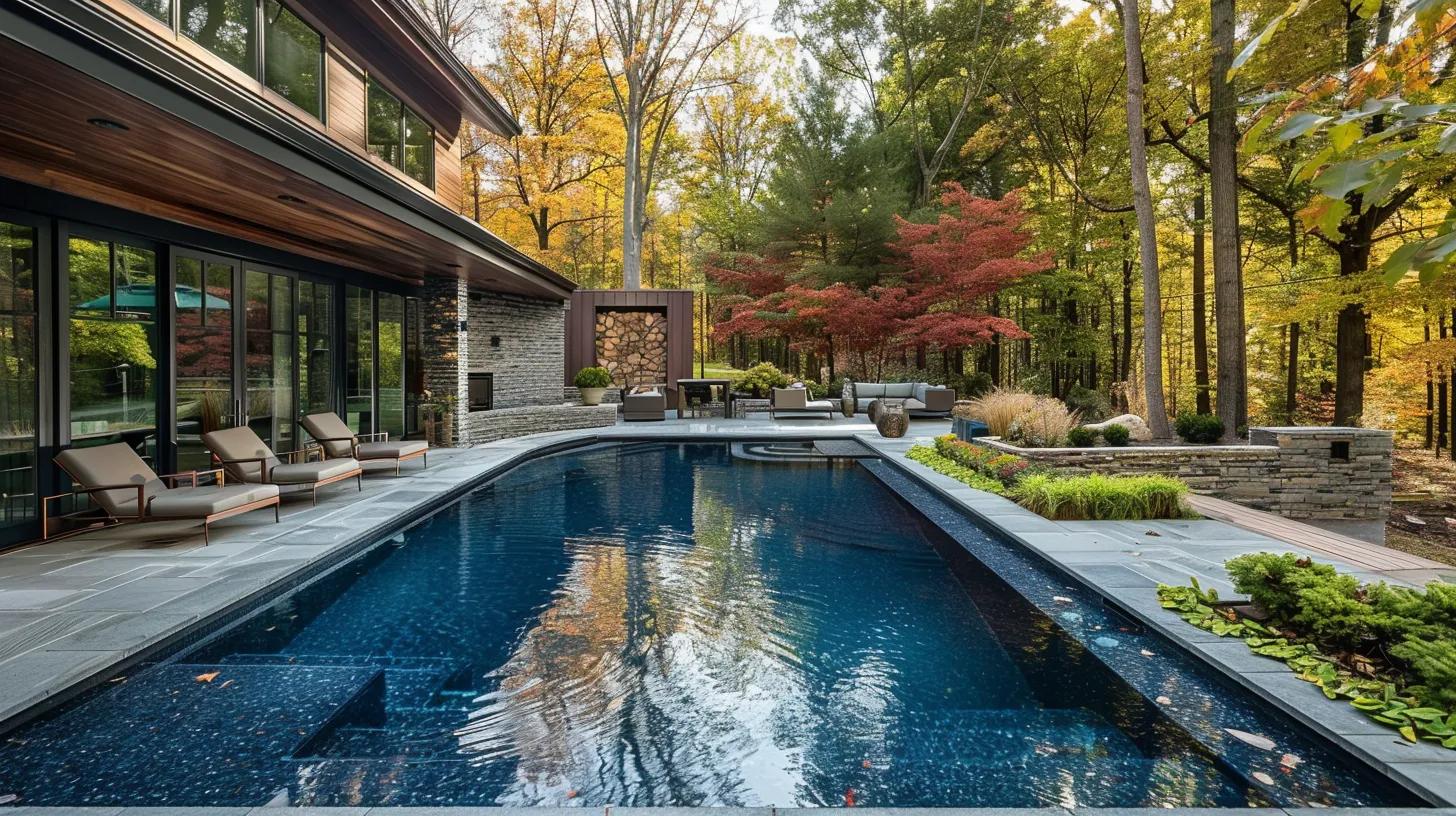
Timing your pool installation ahead of landscaping work protects your investment and prevents expensive do-overs. Heavy excavation equipment tears up existing lawns, gardens, and hardscaping. You’ll waste money repairing damage if you’ve already completed landscaping.
Complete your pool during the early construction or homebuilding phases. Add finishing touches like sod, gardens, and entertainment areas afterward. This sequence minimizes disruption and keeps renovation costs manageable.
Frequently Asked Questions
What Pool Shape Works Best for Small Backyards?
You’ll find that rectangular or L-shaped pools work best for small backyards. These designs maximize your swimming space while fitting efficiently into tight areas.
Rectangular pools offer clean lines that make your yard appear larger, and they’re perfect for lap swimming. L-shaped pools cleverly separate shallow and deep ends, creating distinct zones for different activities.
You can also consider kidney-shaped or geometric designs, which provide visual interest without overwhelming your limited outdoor space.
How Long Does a Typical In-Ground Pool Last Before Needing Replacement?
You can expect your inground pool to last 20-30 years before requiring replacement, though this varies by material.
Concrete pools typically last the longest at 25-30 years, while vinyl liner pools need new liners every 7-10 years but can maintain their structure for decades.
Fiberglass pools often last 25+ years with minimal maintenance.
Your pool’s longevity depends on proper installation, regular maintenance, balanced water chemistry, and climate conditions in your area.
Should I Choose Saltwater or Chlorine for My Pool System?
You’ll find saltwater systems offer gentler water that’s easier on your skin and eyes, plus you won’t need to handle chlorine manually.
However, they’re more expensive upfront and can corrode metal fixtures.
Traditional chlorine pools cost less initially and give you more control over sanitization, but you’ll spend more time maintaining them.
Consider your budget, maintenance preferences, and whether you’ve got sensitive skin when making your decision.
What’s the Average Monthly Cost to Maintain an In-Ground Pool?
You’ll typically spend between $80 and $200 per month maintaining your inground pool. This covers essential chemicals, electricity for pumps and heaters, water, and routine cleaning supplies.
Your actual costs depend on your pool’s size, whether you’re using a saltwater or chlorine system, your local utility rates, and your climate. If you’re in warmer regions running equipment year-round, expect higher bills.
DIY maintenance saves money compared to hiring professional services.
Do I Need Special Insurance Coverage After Installing a Pool?
Yes, you’ll likely need to update your homeowner’s insurance after installing a pool.
Most standard policies don’t provide adequate liability coverage for pool-related accidents. You should contact your insurance agent to increase your liability coverage, typically to at least $500,000.
You’ll also need to cover the pool’s replacement value. Expect your premiums to increase by $50 to $75 per month, though this varies by location and pool features.
Conclusion
You’ll get the best value and fastest installation by booking your inground pool in the fall or early winter. You’re avoiding the spring rush, snagging off-season discounts, and giving contractors plenty of time to handle permits and weather delays. Don’t wait until summer when you’re facing premium prices and month-long waitlists. Plan, install during the off-season, and you’ll be swimming next summer while saving thousands.