Before hiring a licensed pool contractor, you’ll want to verify their state license and insurance through official channels. Request written bids from at least three contractors that itemize materials, labor, and timelines so you can compare options effectively. Review their portfolio of completed projects and contact their references directly for honest feedback on the quality of their work and communication. Ascertain that your contract specifies the complete project scope, payment schedule, and warranty details. Understanding these essential steps will help you protect your investment and guarantee your pool meets all safety standards and expectations.
Key Takeaways
- Verify the contractor’s valid state license and active insurance policies before signing any agreements.
- Review their portfolio of completed projects and contact at least three references for feedback.
- Obtain written bids from multiple contractors that itemize materials, labor costs, and timelines.
- Ensure the contract specifies project scope, payment schedule, timelines, and all permit responsibilities.
- Understand warranty coverage periods for different components and required maintenance to keep warranties valid.
Verify Your Pool Contractor’s State License and Insurance
Why risk your investment with an unlicensed contractor? Always verify your pool contractor holds a valid state license before signing any agreement.
Check your state’s licensing board website to confirm their credentials are current and review any complaints or violations on record.
Don’t skip insurance verification either. Request certificates proving they carry general liability and workers’ compensation coverage.
Contact the insurance company directly to confirm policies are active. This protects you from liability if accidents occur on your property during construction.
These simple verification steps prevent costly legal and financial headaches down the road.
Review Past Pool Projects and Client References
Before you commit to a pool contractor, examine their portfolio of completed projects and speak directly with previous clients.
Request photos of recently completed pools that match your vision. Don’t settle for website images alone, ask to visit completed sites if possible.
Contact at least three references and ask specific questions about project timelines, budget adherence, communication quality, and problem resolution.
Inquire whether they’d hire the contractor again. Check online reviews on multiple platforms, but prioritize direct conversations with past clients.
Their honest feedback reveals how the contractor handles challenges and delivers on promises.
Get Written Bids From at Least Three Contractors
Obtaining written bids from multiple contractors protects you from overpaying and helps you understand the true scope of your pool project. Request detailed proposals that itemize materials, labor costs, timelines, and payment schedules.
You’ll quickly identify price discrepancies and service differences when comparing three or more bids side-by-side.
Don’t automatically choose the lowest bid, it might indicate inferior materials or hidden costs. Instead, evaluate each proposal’s completeness and transparency.
Make certain contractors include permit fees, excavation work, plumbing, electrical systems, and finishing touches. Written bids create accountability and provide legal protection if disputes arise during construction.
Understand What the Contract Should Include
Every pool construction contract must specify the complete project scope, including exact pool dimensions, depth specifications, materials to be used, and equipment brands.
You’ll need a detailed payment schedule with milestone-based installments rather than large upfront deposits.
The contract should include start and completion dates with provisions for weather delays.
Confirm it lists all permits and inspections and who’s responsible for obtaining them.
Include warranty information for workmanship and equipment.
The agreement must outline cleanup procedures, debris removal, and landscaping restoration.
Finally, verify that it contains the contractor’s license number, insurance details, and lien-release provisions protecting your property.
Know What’s Covered Under Your Pool Warranty
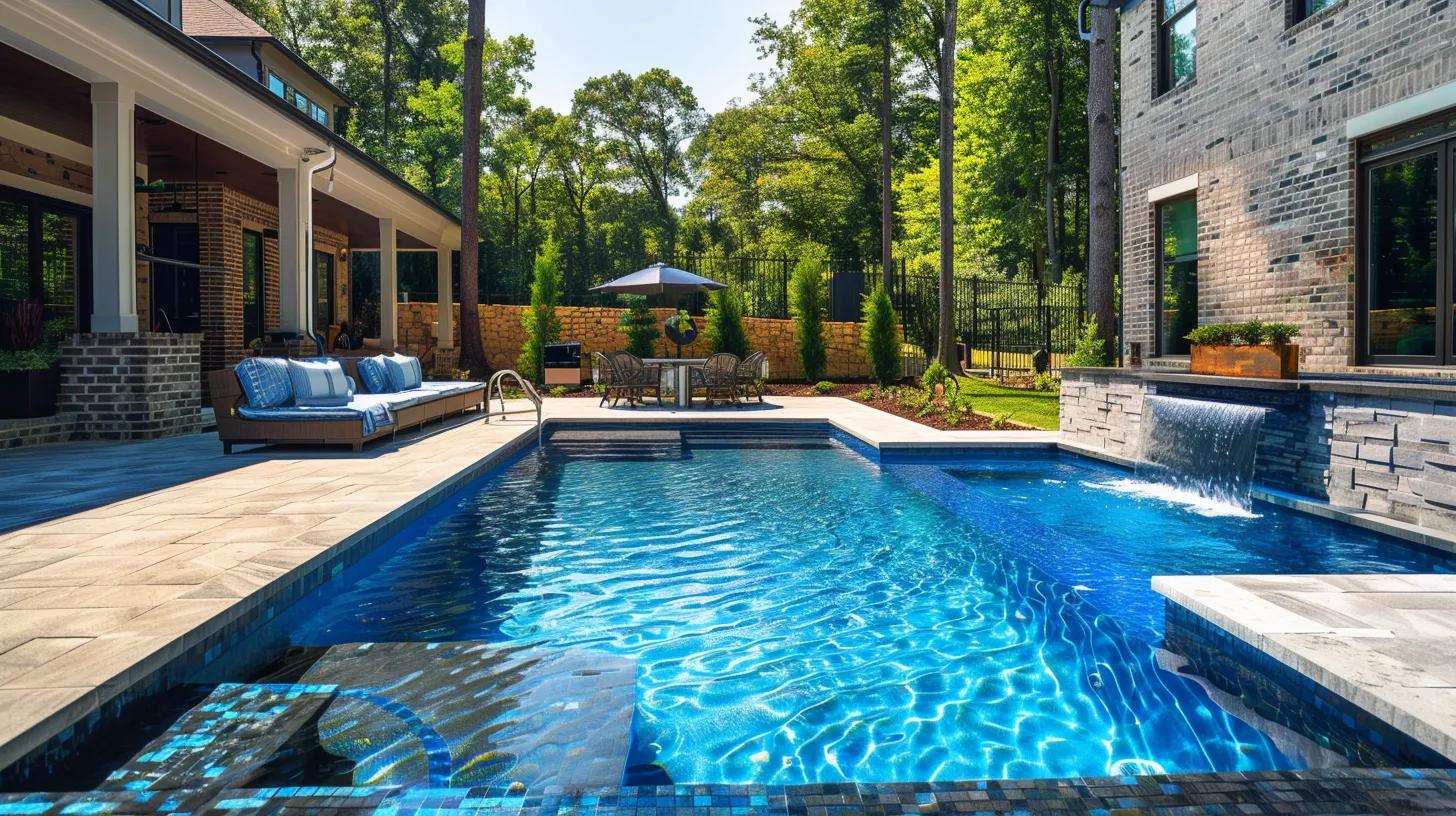
Once you’ve signed your contract, understanding your pool warranty becomes your next priority.
Different components carry different coverage periods, equipment warranties typically last one to three years, while structural warranties can extend up to twenty-five years.
You’ll want to know what’s explicitly covered: pumps, filters, heaters, liners, and shells usually have separate terms.
Document everything requiring warranty work with photos and written records.
Don’t assume manufacturer and contractor warranties overlap; they’re often separate agreements.
Read the fine print about maintenance requirements, as neglecting proper upkeep can void coverage.
Keep all warranty documentation accessible for future reference.
Frequently Asked Questions
How Long Does It Typically Take to Build an In-Ground Pool?
You’ll typically wait 8-12 weeks for your inground pool construction, though it can vary. The timeline depends on your pool’s complexity, size, and design features you’ve chosen.
Weather conditions, permit approvals, and your contractor’s schedule also play significant roles. Simple vinyl-liner pools often take less time, while custom concrete pools with elaborate features might take longer than three months.
You should discuss realistic timelines with your licensed contractor before starting the project.
What Permits Are Required Before Starting Pool Construction?
You’ll need several permits before breaking ground on your pool.
First, secure a building permit from your local municipality to ensure your project meets zoning requirements and setback regulations.
You’ll also need electrical and plumbing permits for pool equipment installation.
Some areas require separate fencing permits to meet safety codes.
Additionally, if you’re in a homeowners association, you’ll need their approval.
Your licensed contractor should handle most permit applications, but you’re ultimately responsible for compliance.
Should I Be Present During the Pool Construction Process?
You don’t need to be present every day, but you should make regular site visits to monitor progress and address concerns quickly.
Schedule walk-throughs with your contractor at key construction milestones, such as excavation, plumbing, and equipment installation. This lets you verify the work matches your contract specifications and catch potential issues early.
However, trust your licensed contractor to handle daily operations, hovering constantly can actually slow the construction process.
What Is the Best Time of Year to Start Pool Construction?
The best time to start pool construction is in the fall or winter.
You’ll benefit from better contractor availability, potentially lower prices due to off-season demand, and a pool ready for summer enjoyment.
Spring is the busiest season, so you’ll face longer wait times and higher costs.
However, if you’re in a warm climate, you can start construction year-round.
Plan and book your licensed contractor several months in advance.
How Do I Prepare My Backyard Before the Contractors Arrive?
You’ll need to clear the construction area of furniture, toys, and decorations.
Mark any underground utilities by calling 811 before digging begins.
Remove or relocate plants you want to keep, and trim overhanging branches that might obstruct equipment.
Create a clear path for workers and machinery to access your backyard.
If you’ve got pets, arrange alternative spaces for them.
Finally, inform your neighbors about the upcoming construction to maintain good relationships.
Conclusion
You’ve got the essentials for hiring a trustworthy pool contractor. Remember, you’re making a significant investment in your property, so don’t rush the process. Take your time verifying licenses, checking references, and comparing bids. Make certain everything’s documented in a detailed contract, and you’ll understand your warranty coverage. By following these five tips, you’ll protect yourself from potential headaches and guarantee your pool project’s completion professionally and successfully.